
In aviation history, certain names stand out as pioneers whose contributions shaped the very fabric of flight and among them, the name William Boeing shines brightly. An entrepreneur, visionary, and aeronautical engineer, Boeing’s legacy in aviation is profound, leaving an indelible mark on the industry that continues to influence it to this day.
William Boeing the Early Years
Born on October 1, 1881, in Detroit, Michigan, William Edward Boeing displayed an early fascination with machinery and technology. After attending Yale University, Boeing ventured into the timber industry in the Pacific Northwest, where he amassed considerable wealth. However, it was his passion for flying that would define his legacy. Boeing’s journey into aviation began in 1916 when he took his first flight in a seaplane. Struck by the potential of flight, he quickly recognized the burgeoning opportunities in the aviation industry.
William Boeing Founded the Pacific Aero Products Company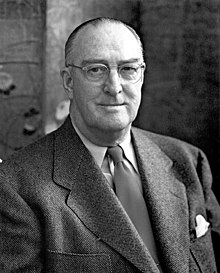
In 1917, Boeing founded the Pacific Aero Products Co., which would later evolve into the Boeing Company. Initially, the company focused on the production of seaplanes for military use during World War I, capitalizing on the growing demand for aircraft. However, it was in the post-war years that Boeing truly made his mark. Understanding the need for commercial aviation, he directed his company’s efforts towards designing and manufacturing passenger aircraft. In 1927, Boeing introduced the Model 40, a pioneering aircraft that laid the foundation for modern air travel. This innovative aircraft boasted all-metal construction, cutting-edge technology for its time, and could accommodate passengers and mail, heralding a new era in aviation.
The Introduction of the Boeing 247
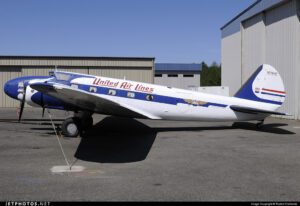
One of Boeing’s most significant contributions came with the introduction of the Boeing 247 in 1933. Dubbed the “first modern airliner,” the 247 revolutionized air travel with its streamlined design, boasting revolutionary features such as all-metal construction, retractable landing gear, and a streamlined design. Its unprecedented speed, range, and passenger capacity set new standards for the industry, making air travel safer, faster, and more comfortable than ever before. The 247’s impact extended beyond its technical innovations; it catalyzed the growth of the airline industry, making long-distance travel more accessible to the public and paving the way for the development of modern air routes and infrastructure. Its legacy endures as a testament to Boeing’s engineering prowess and vision, shaping the trajectory of aviation for generations to come.
William Boeing, a True Visionary
Boeing’s visionary leadership extended beyond aircraft manufacturing. Recognizing the importance of infrastructure, he played a pivotal role in the development of airports and airline routes, laying the groundwork for a robust aviation network. His company’s collaboration with United Airlines led to the establishment of one of the world’s first major airline routes, connecting San Francisco and Chicago—a testament to Boeing’s commitment to advancing air transportation. In addition to his entrepreneurial pursuits, Boeing was a passionate advocate for the advancement of aviation education and research. He established the Boeing School of Aeronautics in 1917, providing aspiring aviators with the training and skills needed to excel in the field. His philanthropic efforts also supported aviation-related endeavors, further cementing his legacy as a champion of flight.
Wrapping It Up
William Boeing’s contributions to aviation extend far beyond the aircraft bearing his name. His pioneering spirit, innovative vision, and relentless pursuit of excellence transformed the aviation industry, shaping it into what it is today. His legacy serves as an inspiration to future generations of aviators and entrepreneurs, reminding us of the boundless possibilities that await those who dare to dream and reach for the skies. That’s it for this week friends, until next time remember to Be Social, Fly Private!
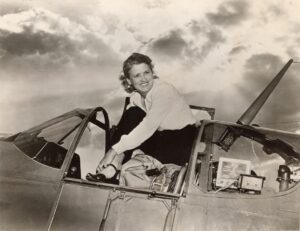
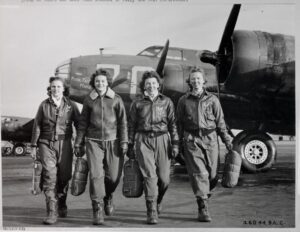
 The name Helen Richey stands as a testament to courage, perseverance, and the indomitable spirit of women in the early days of flight. Despite the numerous obstacles she faced, Helen Richey not only became a famous female aviator but also paved the way for countless women to follow in her footsteps. In this blog post, we will delve into the inspiring life and accomplishments of Helen Richey, a trailblazer in the world of aviation.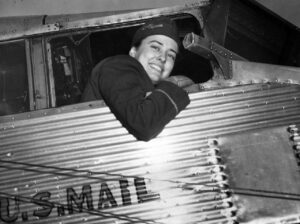
 Adding Value to Jet Travel is for those who lead fast-paced lives and have a constant need for private air travel. Owning a jet, having a flight card, or investing in fractional ownership might seem like the ultimate solutions, and offer convenience and flexibility, there’s an unsung hero in the world of aviation that can elevate your private travel experience to new heights: the dedicated air charter broker. In this blog post, we’ll explore why even if you have your own jet, a flight card, or fractional ownership, having a dedicated air charter broker still makes sense and is an added benefit. We’ll also highlight how EmptyLegs.net fulfills this crucial capacity.
 Time and Cost Effective Jet Travel

 What is the meaning of Empty Legs? Empty leg flights refer to one-way private jet flights where the aircraft is returning to its base or repositioning without any passengers on board. These flights become available when a private jet is booked for a one-way trip, and the aircraft needs to return to its original location or move to another location for its next scheduled flight.
 Is private aviation Overweight or Underweight? Recent stories related to the losses over at Wheels Up has made me ponder this question. Wheels Up, intended to be the next success story following Kenny Dichter’s triumphs in the private aircraft charter industry, the company took an unexpected turn as he steps down amidst mounting losses and a plummeting stock value. The company has struggled to overcome its substantial losses, which amounted to an astonishing $555 million last year. While the company has expressed its ability to mitigate these losses next year, Wall Street has already rendered its opinion and the stock, listed on the New York Stock Exchange, dropped from its initial offering price of approximately $10 in July 2021 to about 25 cents at the most recent evaluations. To prevent delisting from the Exchange, a proposal for a reverse stock split has been put forth – a clear warning sign of failure. Forced to leverage the planes it owns, Wheels Up managed to accumulate a substantial cash reserve of $585 million by the end of 2022, but this amount diminished to $363 million by the end of March, and at the current burn rate of expenditure, the remaining cash reserves might only last until the end of this summer. Also keep in mind those losses include over $76 million taken in PPP loans!